Technology

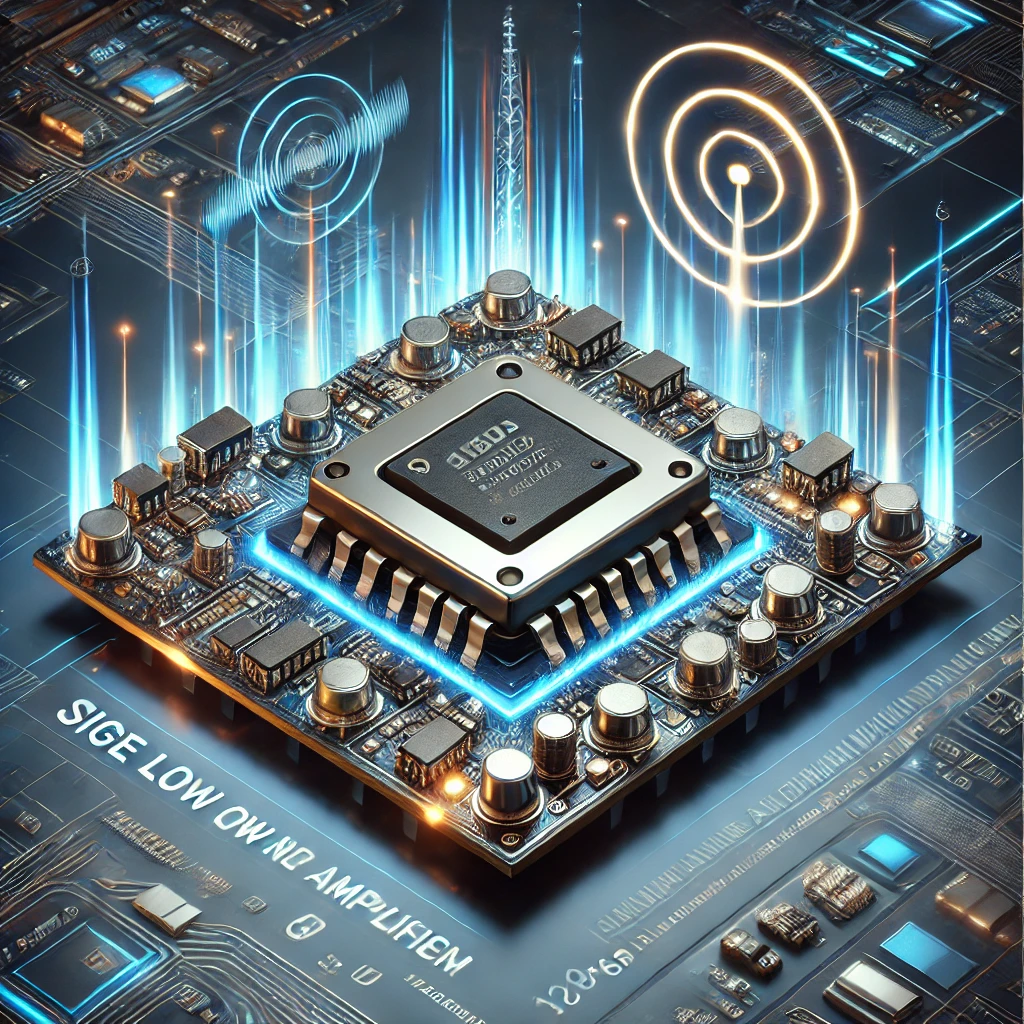
Silicon-Germanium chip

SiGe Low Noise Amplifier (LNA) Topologies and Architectures

Introduction A low-noise amplifier (LNA) is a critical front-end component in RF receivers, responsible for amplifying very weak incoming signals while adding as little noise as possible. LNAs are characterized by key metrics including noise figure (NF), gain, linearity (typically specified by intercept points or compression point), and power consumption. Silicon-Germanium (SiGe) technology (often SiGe

SiGe Low Noise Amplifier (LNA) Topologies and Architectures Read More »

What Is Software Defined Radio? An Introduction to SDR

Software defined radio (SDR) is a radio in which filtering, tuning, demodulation and modulation are carried out by digital processing of sampled signals, so software rather than fixed circuits sets most of the receiver or transmitter’s behaviour. An analog RF front end still connects the antenna to an analog-to-digital converter (ADC) and a digital-to-analog converter

What Is Software Defined Radio? An Introduction to SDR Read More »

Scroll to Top